NovaRoute Supply Chain

What is a Product Inspection?

Product Inspections are an important part of an effective quality control program.They allow you to get a snapshot of the quality of your shipments and takecorrective action before they make the journey overseas.

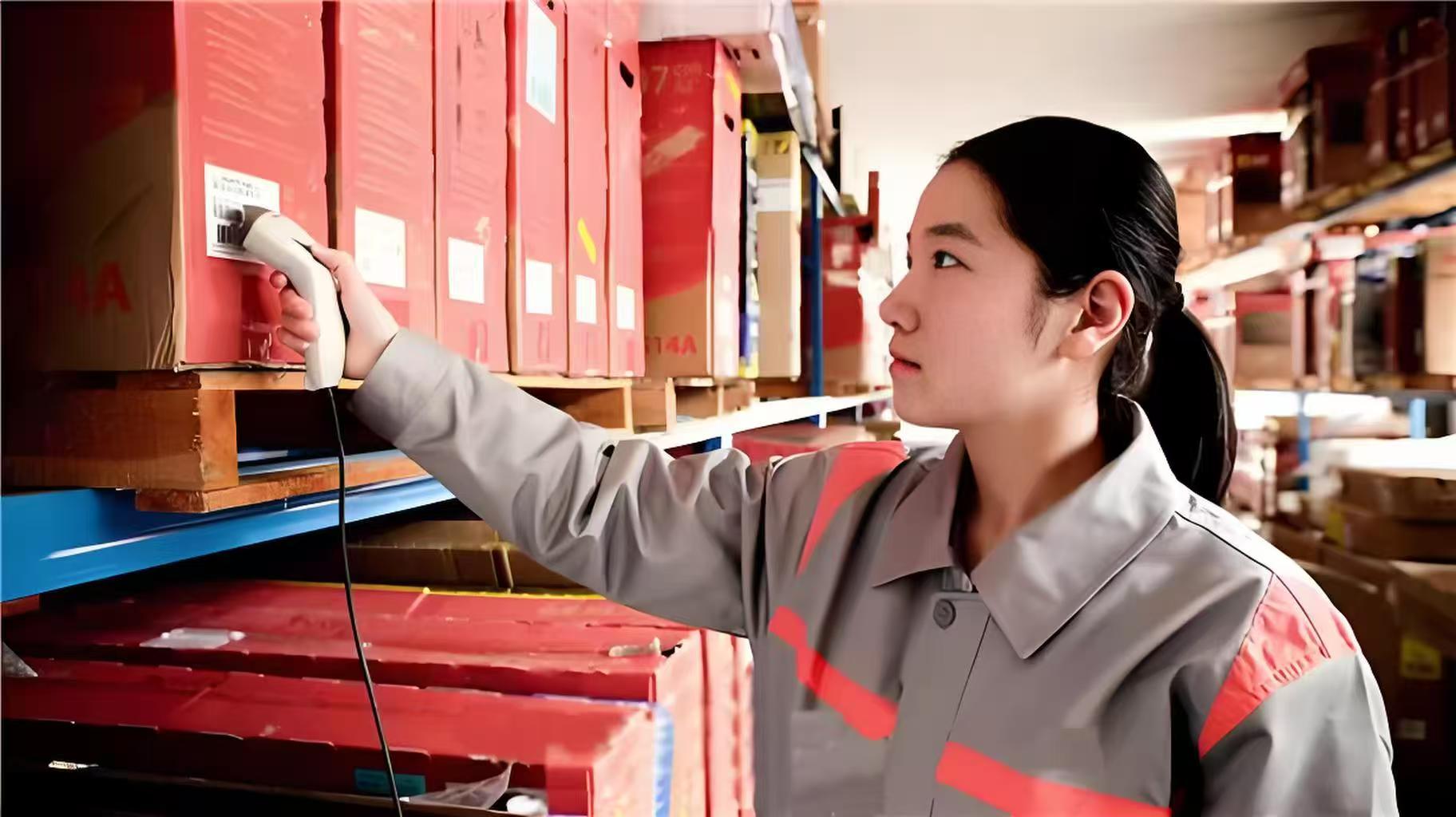
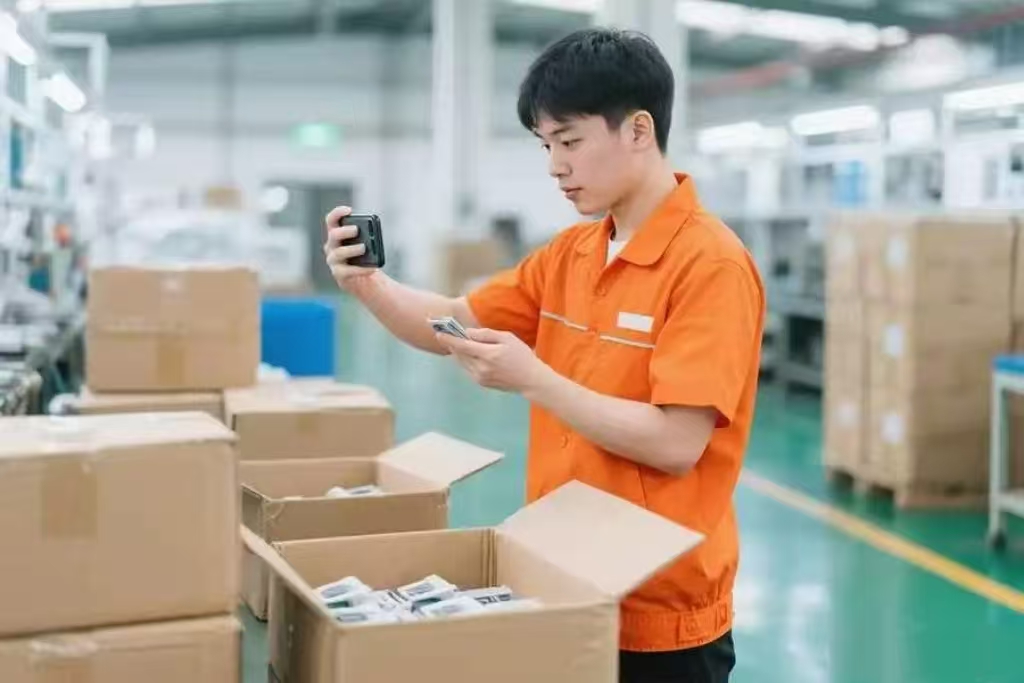
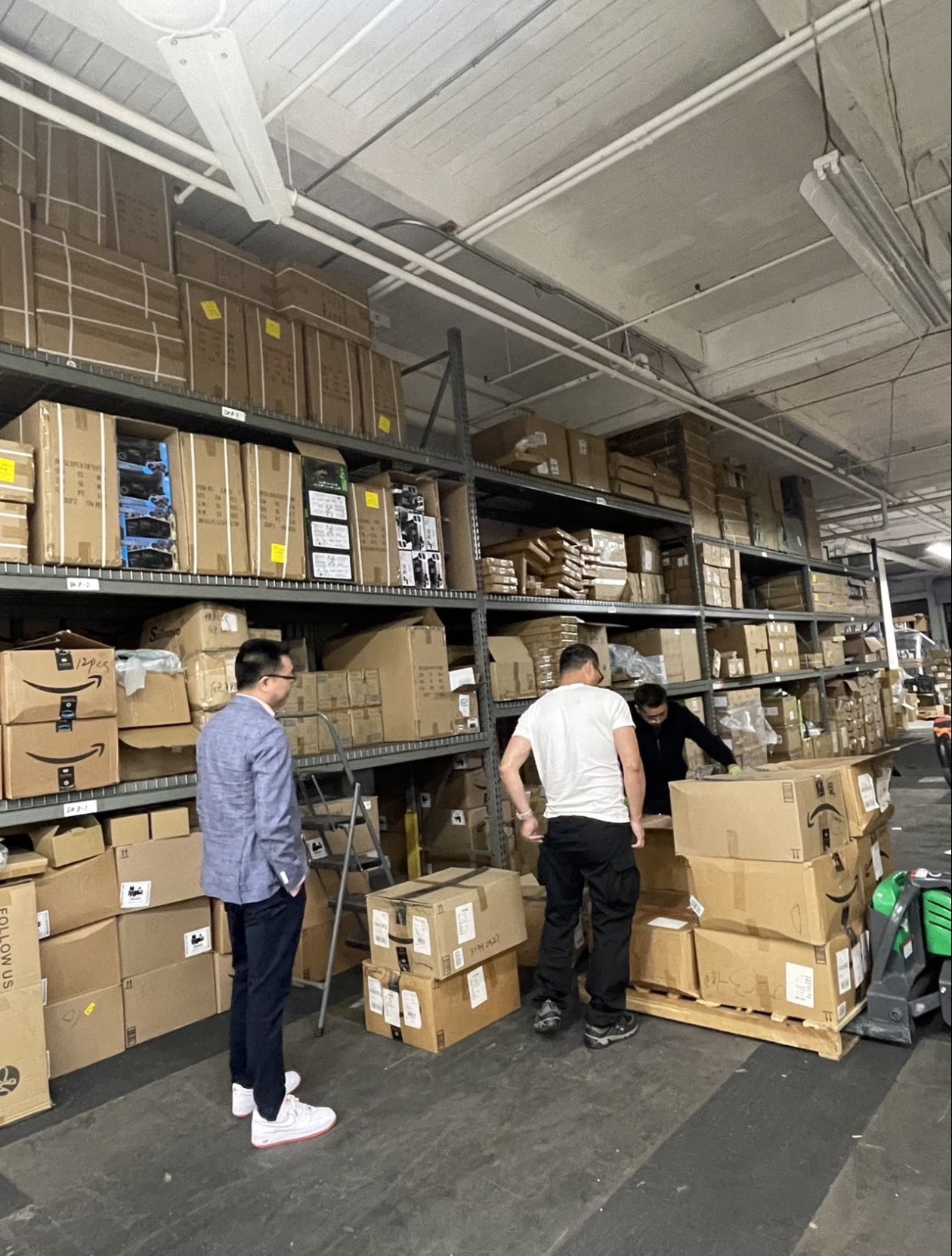
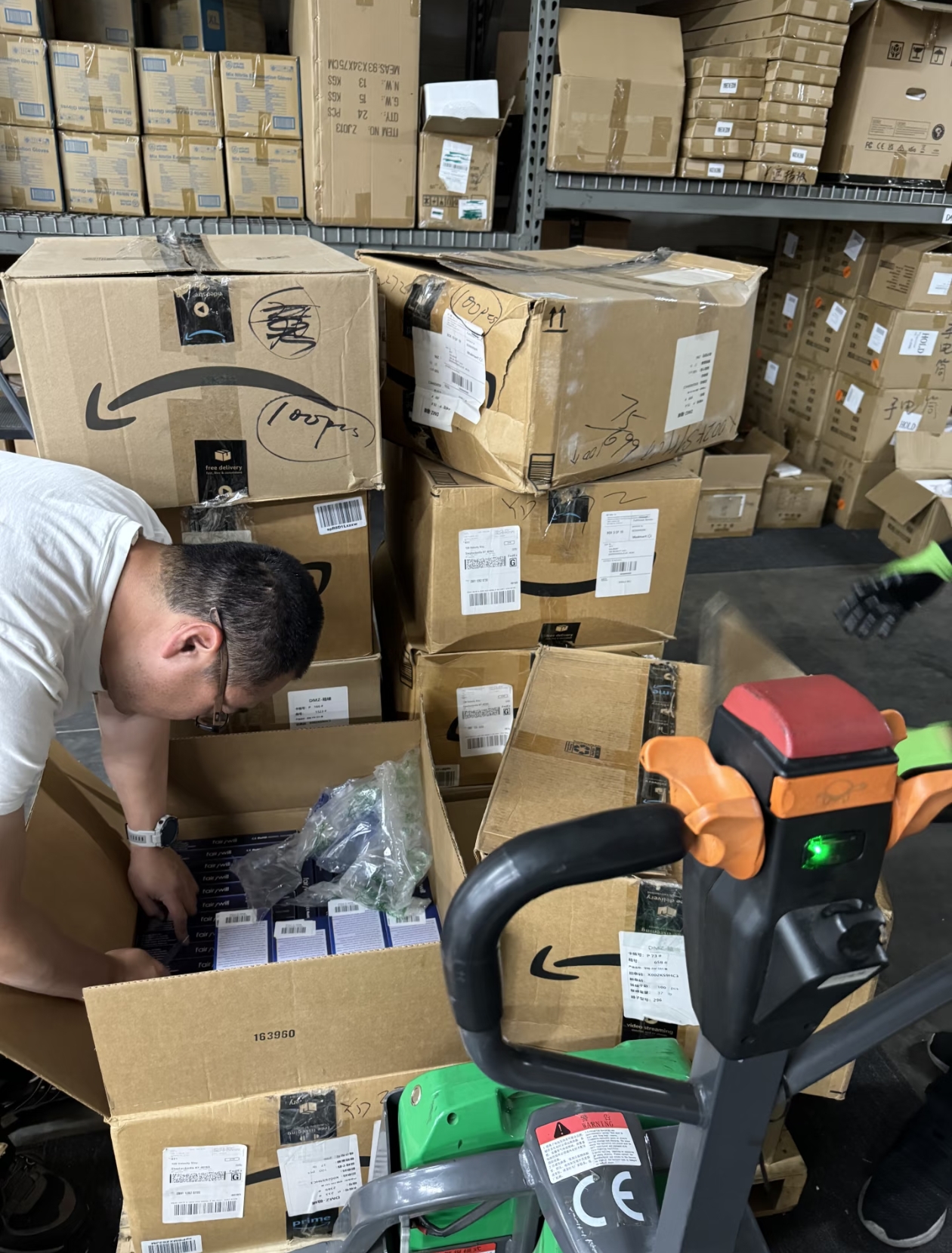
In a product inspection, a neutral third-party inspector travels to your supplier'sfacilities. They follow industry-standard practices to determine whether yourproducts:


  •  Meet safety standards,

  • Are in compliance with regulations, and

  • Meet predefined standards for quality.


At the end of the inspection, you receive an inspection report. The report providesdetailed information about the inspector's findings, along with photographs. If thereare any issues, recommendations are provided to help you manage them in the mosteffective way possible.
Why Should You Conduct ProductIn spections?

Your suppliers have their own quality control processes in place. However, a neutralthird-party can maintain a more objective view and represent you effectively at thefactory. Product Inspections allow you to:


  •  Ensure product quality and safety

  • Avoid late shipments and costly recalls

  • Monitor the manufacturing process

  • Reduce customer issues and complaints


At Insight Quality, we work to help ensure that the shipment you receive meetssafety requirements, is compliant with regulations, and meets your standards forquality.


Types of Product Inspections to Consider

We provide a wide range of quality control services to importers. Our inspectionservices cover the various stages of the production process. We conduct thefollowing inspections


Pre-Shipment Inspections (PSI)

The most common type of inspection - also called a Final Random Inspection (FRI).Conducted once your products are 100% complete and at least 80% packaged.


During Production Inspections (DUPRO)

Conducted once at least 20% of production is completed.


Pre-Production Inspections (PPI)

Conducted once raw materials are received at the factory and they are ready tobegin production.


Sort Inspections (SI)

Conducted when an issue is discovered and defective products need to beseparated from acceptable ones.


Loading Inspections (LI)

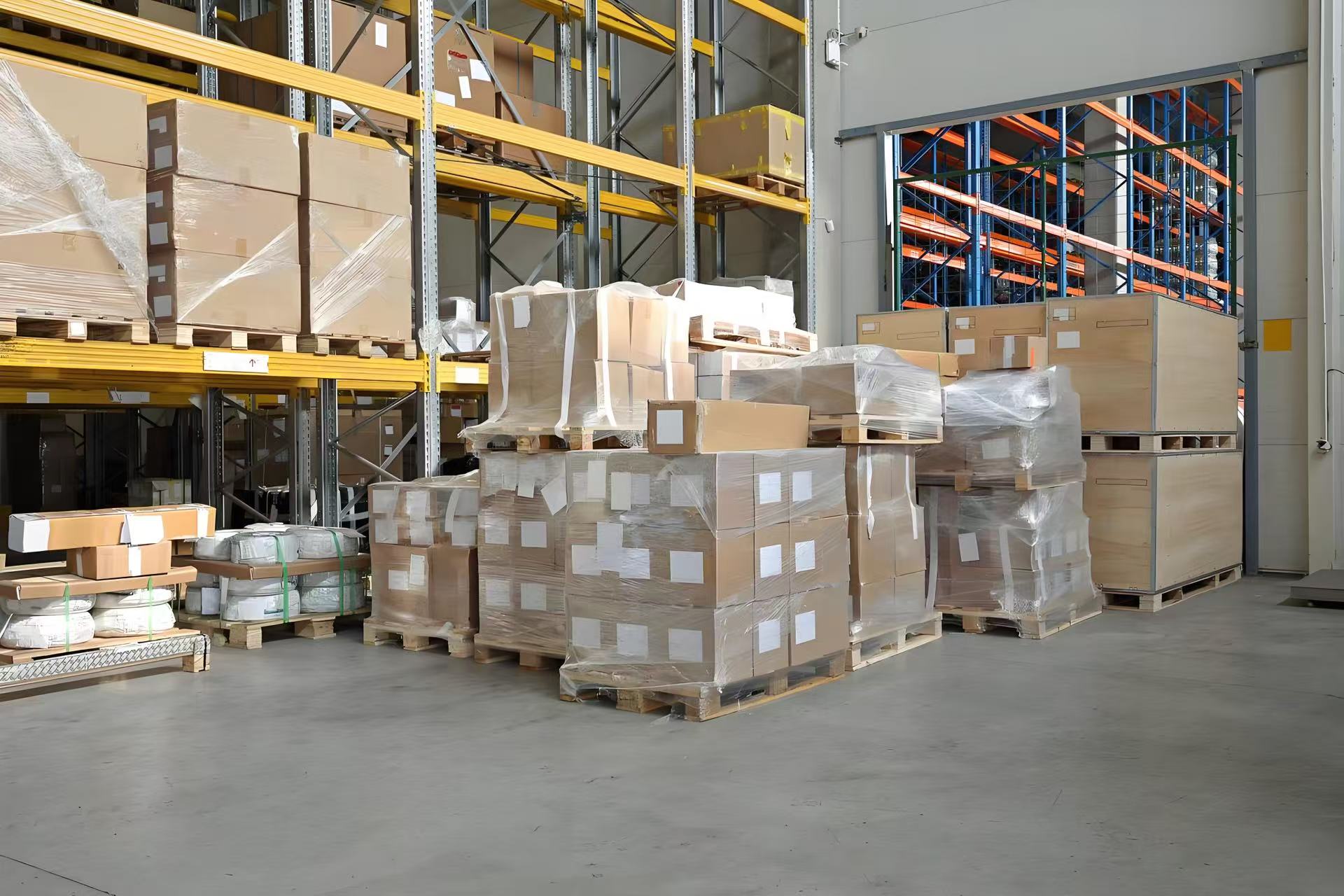
Conducted once products are 100% complete, 100% packaged and are ready to beloaded into a container.


Pre-Shipment Inspection

A Pre-Shipment Inspection, or PSI, is a quality control method to help you ensure the quality of goods you receive from suppliers.

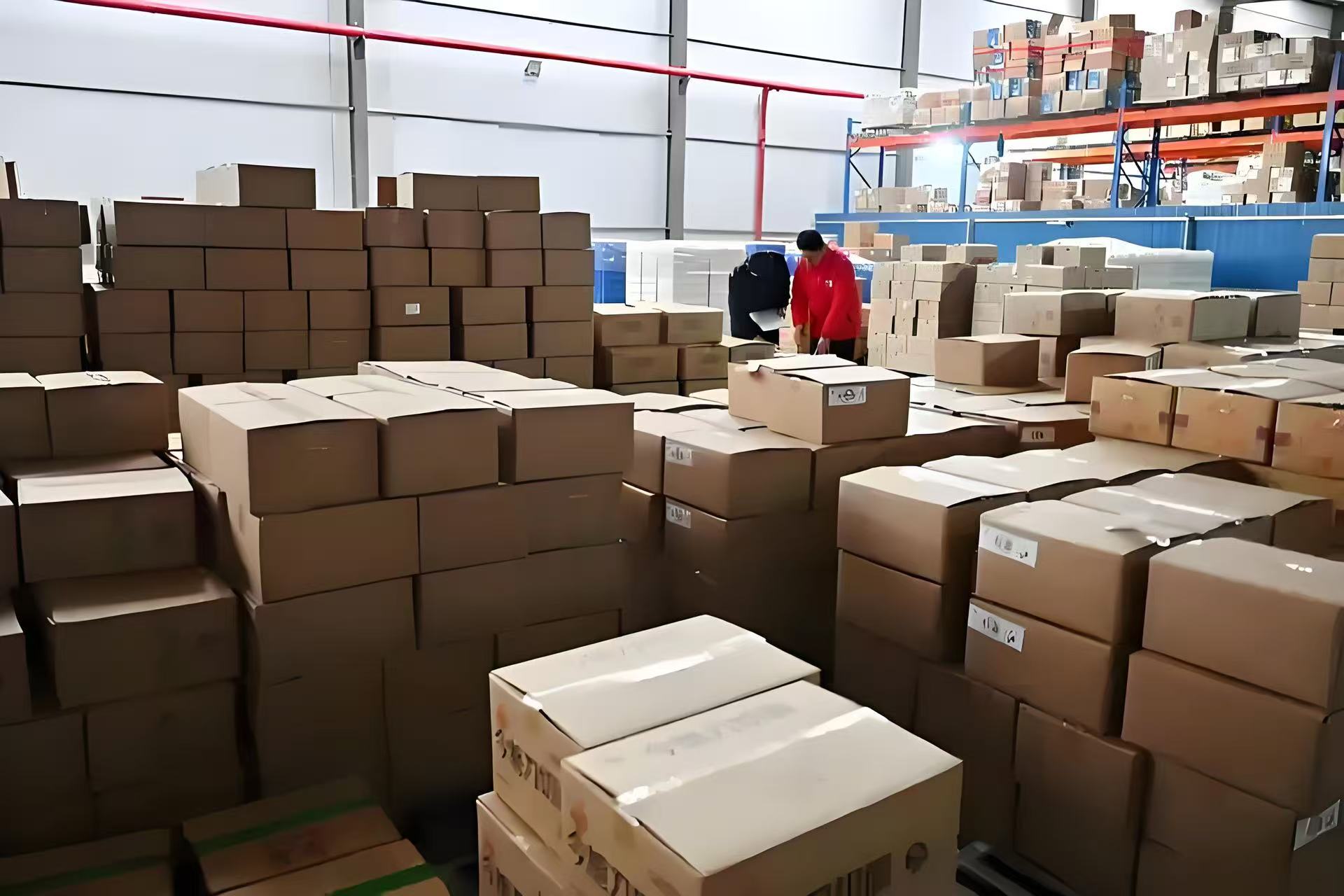
When 100% of the units in your purchase order are complete and they are 80% packed, an inspector goes to your factory to perform a number of different checks on your products.

These inspections are also often referred to as Final Random Inspections (FRI) because a random ion of goods is pulled to inspect. At Insight Quality, we use an industry-standard methodology called Acceptable Quality Limits (AQL) to determine how many units should be inspected.

Once the inspector is finished, a detailed inspection report is sent to you. To download and view a sample inspection report


Why Should You Conduct a Pre-Shipment Inspection?

The inspector comes prepared with a quality inspection checklist. This is a checklist that we work with you to create. It is broken down into sections that generally cover:

Packaging & Labeling

Visual Inspection

Physical Requirements & Dimensions

Functional Testing

Special Tests Specific to Your Product

Barcode Verification

Testing

Other Sections, as Necessary

To learn more and download a sample product inspection checklist


What is a Product Inspection?


Product Inspections are an important part of an effective quality control program.

They allow you to get a snapshot of the quality of your shipments and take

corrective action before they make the journey overseas.

In a product inspection, a neutral third-party inspector travels to your supplier's

facilities. They follow industry-standard practices to determine whether your

products:

·Meet safety standards,

Are in compliance with regulations, andMeet predefined standards for quality.

At the end of the inspection, you receive an inspection report. The report provides

detailed information about the inspector's findings, along with photographs. If there

are any issues, recommendations are provided to help you manage them in the most

effective way possible.